

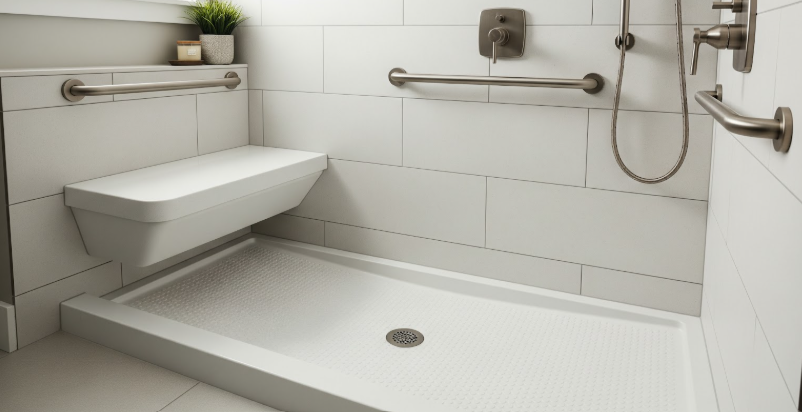
Creating a Safer, Smarter Bathroom for Bryant Homes
More homeowners in Bryant are updating their bathrooms with accessibility in mind—whether they’re preparing to age in place, supporting a family member, or simply wanting a safer, more comfortable shower layout. A well-designed ADA-friendly shower blends safety, style, and everyday practicality without making the room feel clinical or cold.
Choosing the right materials is one of the biggest upgrades you can make, especially when it comes to flooring and shower walls. Solid surface has become a standout choice for Bryant residents who want a smooth, beautiful finish with fewer maintenance concerns and better long-term safety. If you're planning a remodel and gathering ideas for your next project, you can explore more flooring and surface options with the team at Southern Floor Co. to help shape the perfect combination of function and style.
What Makes a Shower ADA-Friendly?
An ADA-friendly shower focuses on safety, stability, and ease of use. While not every home remodel needs to meet full ADA commercial codes, many of the concepts translate perfectly into residential bathrooms—especially if comfort and accessibility are priorities.
Key ADA-inspired features include:
Low or zero-threshold entry
Slip-resistant flooring and shower pans
Integrated or fold-down seating
Grab-bar compatibility
Wider entrances for easier mobility
Controls placed within easy reach
These features create a shower that’s accessible for a wide range of needs, from mobility limitations to simple everyday convenience.
Why Solid Surface is a Top Choice for Accessible Showers
Solid surface countertops and shower systems offer a level of durability and ease that makes them especially well-suited for ADA-friendly designs. Instead of grout lines that trap soap and moisture, solid surface panels create a smooth, seamless surround that’s easier to keep clean and gentler on the eye.
Benefits That Homeowners Appreciate
Slip-smart textures: Many solid surface shower pans can include gentle textures that improve traction without feeling rough.
Warm to the touch: Unlike some tile materials, solid surface feels warmer underfoot, reducing discomfort.
Seamless joints: Fewer seams mean a cleaner aesthetic and less chance of mold buildup.
Custom design options: Built-in niches, corner shelving, and integrated seats can be molded directly into the panels.
Easier maintenance: Non-porous surfaces simplify cleaning—ideal for households that want low upkeep.
If you're browsing new materials or looking for examples of what solid surface looks like in a finished space, this category is a great place to start: solid surface countertops.
Slip-Smart Shower Pans: Safety That Doesn’t Sacrifice Style
Shower pans are one of the most important elements to get right in an accessible remodel. The wrong surface can feel slick when wet, especially in homes where water pressure or steam levels vary throughout the day.
What Makes a Shower Pan Slip-Smart?
A high-quality slip-resistant pan should:
Offer gentle texture that increases friction
Maintain comfort when standing for longer periods
Blend seamlessly with the rest of the bathroom design
Pair well with your chosen wall panels (solid surface or tile)
Provide consistent support even in areas where water pools
Solid surface pans excel here because they allow for integrated texturing instead of raised patterns that feel uncomfortable on bare feet.
Zero-Threshold or Low-Profile Entry
Zero-threshold pans are especially helpful for wheelchair users, walkers, or anyone who prefers a smooth walk-in. Even a 1-inch lip can feel like a barrier—especially on wet flooring.
Bryant homeowners often choose:
True zero-entry for maximum accessibility
Low-profile pans for smaller bathrooms
Slightly raised edges when drainage direction is a concern
Integrated Seating: Comfort, Convenience, and Safety
One of the most appreciated features in an ADA-friendly shower is the presence of a secure, built-in seat. Instead of a portable shower stool—which can slide or shift—a molded solid surface seat offers stability and strength.
Types of Integrated Seats
Built-in corner seats:
Great for compact showers
Provide a natural resting point
Can double as shaving or foot-care support
Full-width bench seats:
Offer more sitting room
Provide greater comfort for long showers
Useful for caregivers assisting a family member
Fold-down seats:
Best for very small showers
Mounted securely to the wall
Designed to tuck away neatly when not needed
Each of these can be incorporated into a solid surface system for a cohesive, consistent look.
The Best Wall Materials for Accessible Showers
Solid surface wall panels are highly recommended because they offer practical advantages without feeling utilitarian. Some homeowners still prefer tile for aesthetic reasons, but grout maintenance can be more challenging for aging adults or individuals with mobility limitations.
Solid Surface Wall Highlights
No grout lines
Non-porous
Easy to wipe clean
Custom color and pattern options
Perfect for seamless corner transitions
When Tile Is Still a Good Choice
Tile remains viable if:
You prefer a custom pattern
You're using large-format tiles
You’re comfortable maintaining grout
You choose slip-resistant finishes for the shower floor
If you're considering materials beyond solid surface—like ceramic or porcelain—browsing Little Rock and Bryant favorites in tile flooring may give you additional ideas for matching looks across the bathroom.
Grab Bars & Placement Strategies
Grab bars dramatically increase shower safety when installed correctly. Even if they aren’t needed today, many homeowners add reinforcement inside the walls so they can install them later without opening the shower back up.
Common Placement Points
Horizontal bar along the main shower wall
Vertical bar near the entry
Diagonal bar beside the seating area
Short vertical bar near the shower controls
Grab bars should support full body weight and be placed where natural hand movement occurs. Solid surface shower walls pair well with reinforced backing so bars remain sturdy and reliable.
Drain Placement Matters
For ADA-friendly showers, the drainage system directly affects usability and comfort.
Best Drain Options for Accessible Showers
Linear drains:
Ideal for zero-entry designs
Support consistent water flow
Reduce the need for steep floor angles
Center drains:
Traditional layout
Work well with low-profile pans
Cost-effective
Key Drainage Considerations
Water should pull away from entry points
The slope should be subtle enough not to cause balance issues
Grate designs should be comfortable underfoot
A professional installation team can help identify the best setup based on your shower’s layout.
Designing for Ease of Use
ADA-friendly showers aren’t just about the big features—they’re also about everyday comfort.
Smart design details include:
Lever-style handles: Easier to grip
Handheld showerheads: Convenient for seated users
Temperature limiters: Prevent accidental scalding
Wider entries: Better for mobility devices
Non-slip flooring outside the shower: Supports safer transitions
If selecting the right bathroom materials feels overwhelming, you can always reach out to us for help planning your project and ensuring everything aligns with safety and style.
Bringing It All Together for Your Bryant Bathroom
An accessible bathroom doesn’t need to look industrial or out of place. When paired with the right materials—especially smooth, customizable solid surface—you can create a shower that’s both stylish and supportive. Slip-smart shower pans, integrated seating, and thoughtful fixture placement give you long-term comfort without sacrificing visual appeal.
Bryant homeowners updating their bathrooms for accessibility often walk away with a space that feels more welcoming, more functional, and more enjoyable for everyone in the home.


